
News & Research | Memory Matters Weekly

Could a gut biopsy really predict dementia years in advance?
Memory Matters Weekly #30 A recent study from the University of Aberdeen suggests that early…
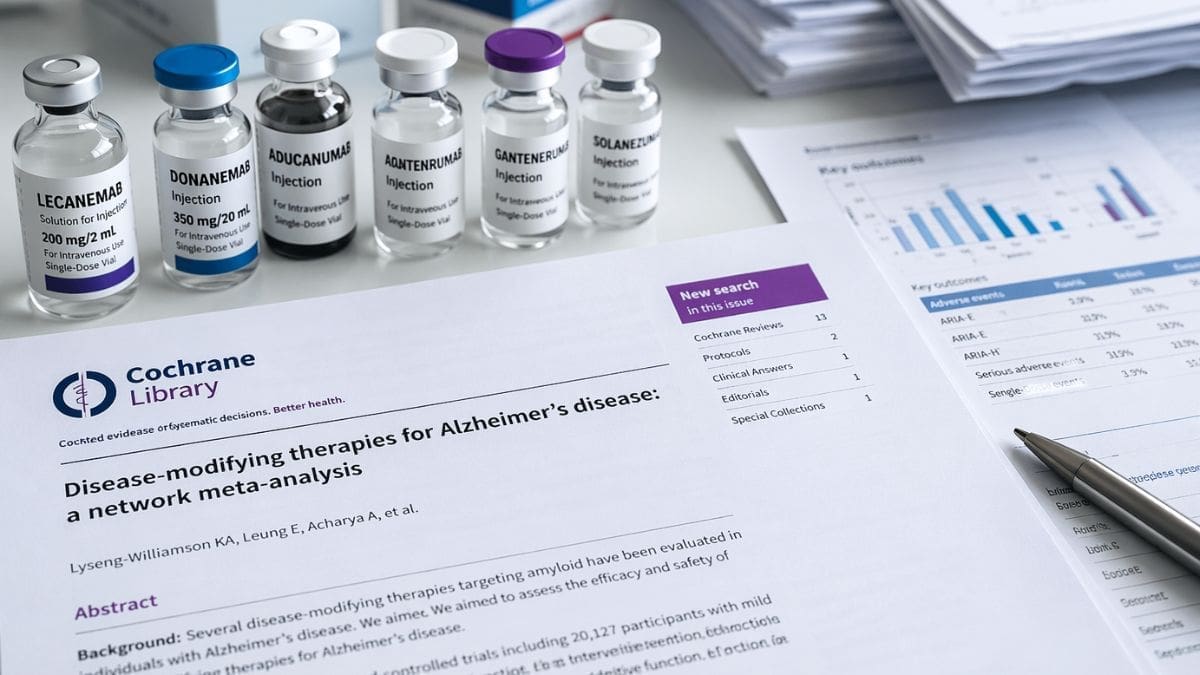
The Headlines Said Alzheimer’s Drugs Don’t Work. Here’s What You Actually Need to Know.
Memory Matters Weekly #29 One of the biggest dementia stories in years dropped this week…

So Apparently Optimism Lowers Dementia Risk
Memory Matters Weekly #28 If someone told you that being optimistic could reduce your risk…
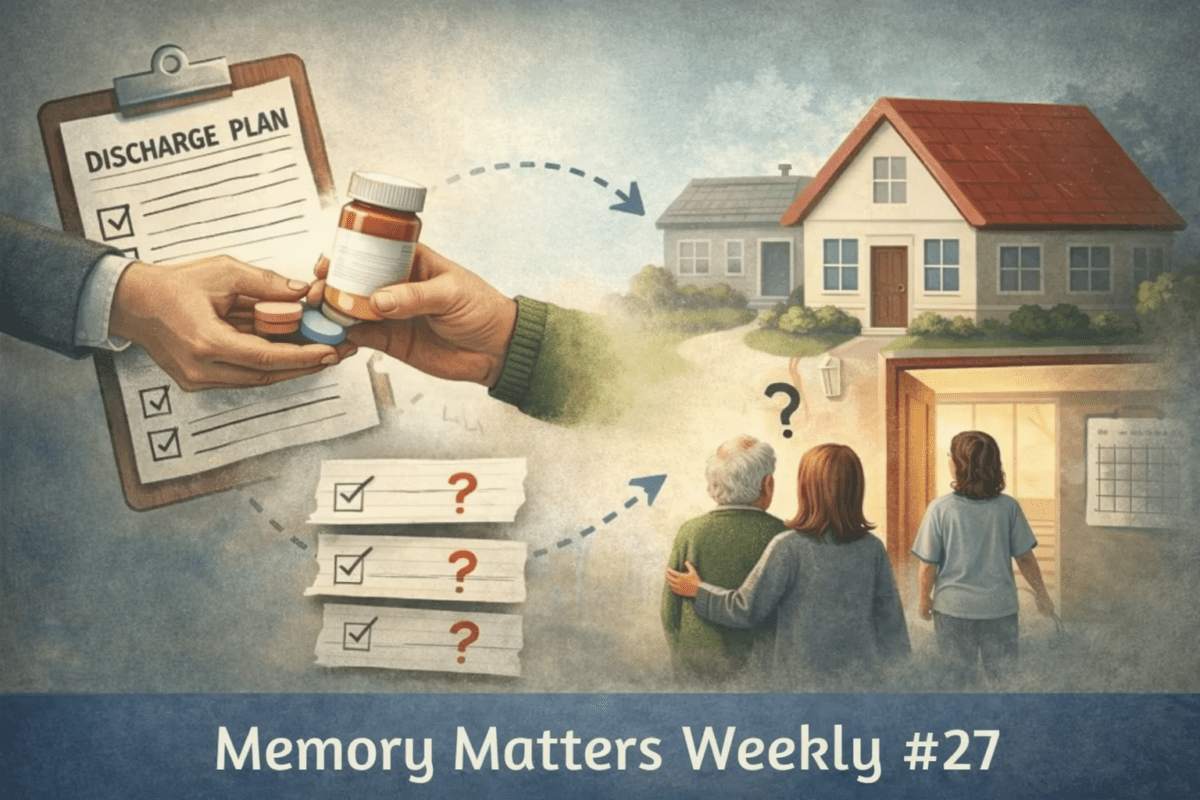
A New Tool Is Trying to Fix Dementia Discharge From Mental Health Hospitals
Memory Matters Weekly #27 Leaving hospital is hard for anyone, but even harder when leaving…
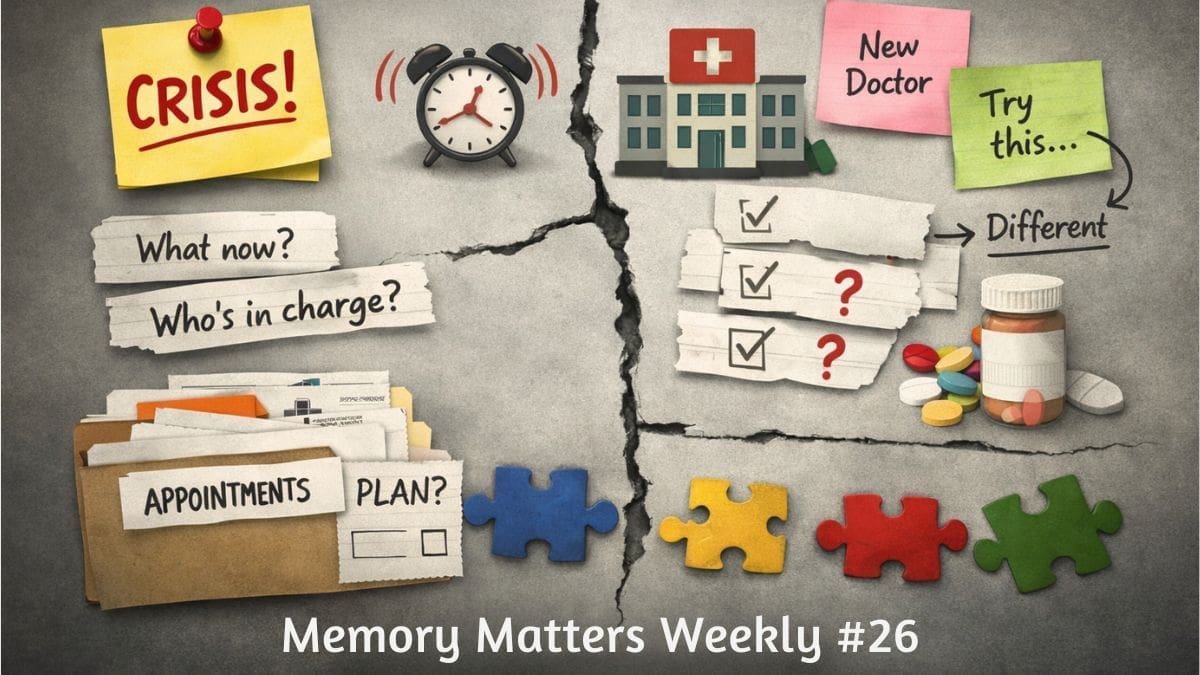
Why Dementia Care Still Leaves Families Unprepared?
A new report from Dementia UK says that people with dementia are not getting the…
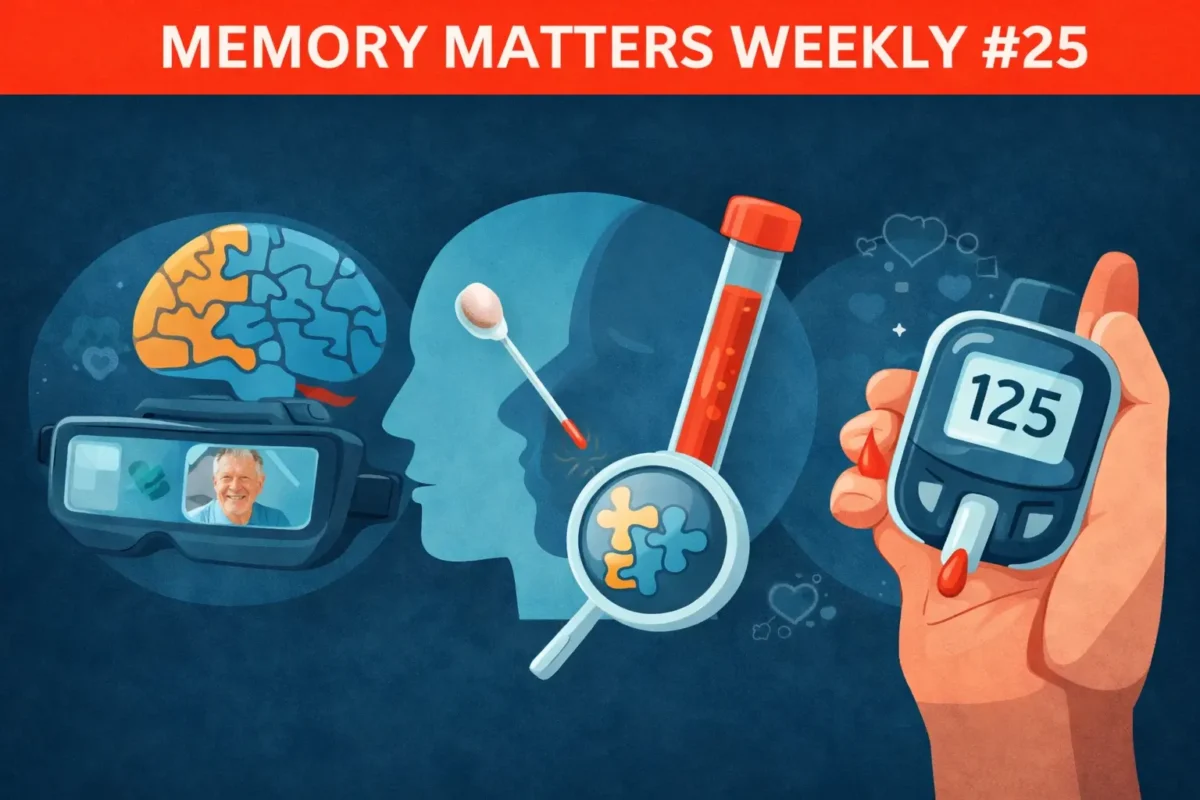
Memory Matters Weekly #25
Memory Matters Weekly #25 looks at three different directions in dementia research: assistive technology in…
Memory Matters Weekly #24
Memory Matters Weekly #24: looks at three different signals in dementia research: medication risk, early…
Memory Matters Weekly #23
Memory Matters Weekly #23: what cooking oil might have to do with dementia risk, an…
Memory Matters Weekly #22
Memory Matters Weekly #22: a blood test that estimates when symptoms may begin, research showing…
Memory Matters Weekly #21
Memory Matters Weekly #21 reminds us that progress in dementia happens at every scale, from…
Memory Matters Weekly #20
Memory Matters Weekly #20 looks at dementia from three different angles. They show how dementia…
Memory Matters Weekly #19
Memory Matters Weekly #19 looks at how care support often matters more than medication alone,…

Memory Matters Weekly #18
New dementia insights in Memory Matters Weekly #18: menopause-related brain changes, hospital delays harming people…
Memory Matters Weekly #17
New dementia insights in Memory Matters Weekly #17: why stigma delays care, how obesity and…
Memory Matters Weekly #16
New dementia insights this week in Memory Matters Weekly #16: when medication fills care gaps,…
Memory Matters Weekly #15
New dementia insights this week in Memory Matters Weekly #15: clogged brain “drains,” disrupted body…
What’s Ahead for Dementia Research in 2026: What 2025 Actually Showed Us
When people talk about what dementia research might bring next, the conversation often jumps straight…
Memory Matters Weekly #14
New dementia insights this week in Memory Matters Weekly #14: early tau drug trials, a…
Memory Matters Weekly #13
New dementia findings this week in this week’s Memory Matters Weekly #13: a key brain…
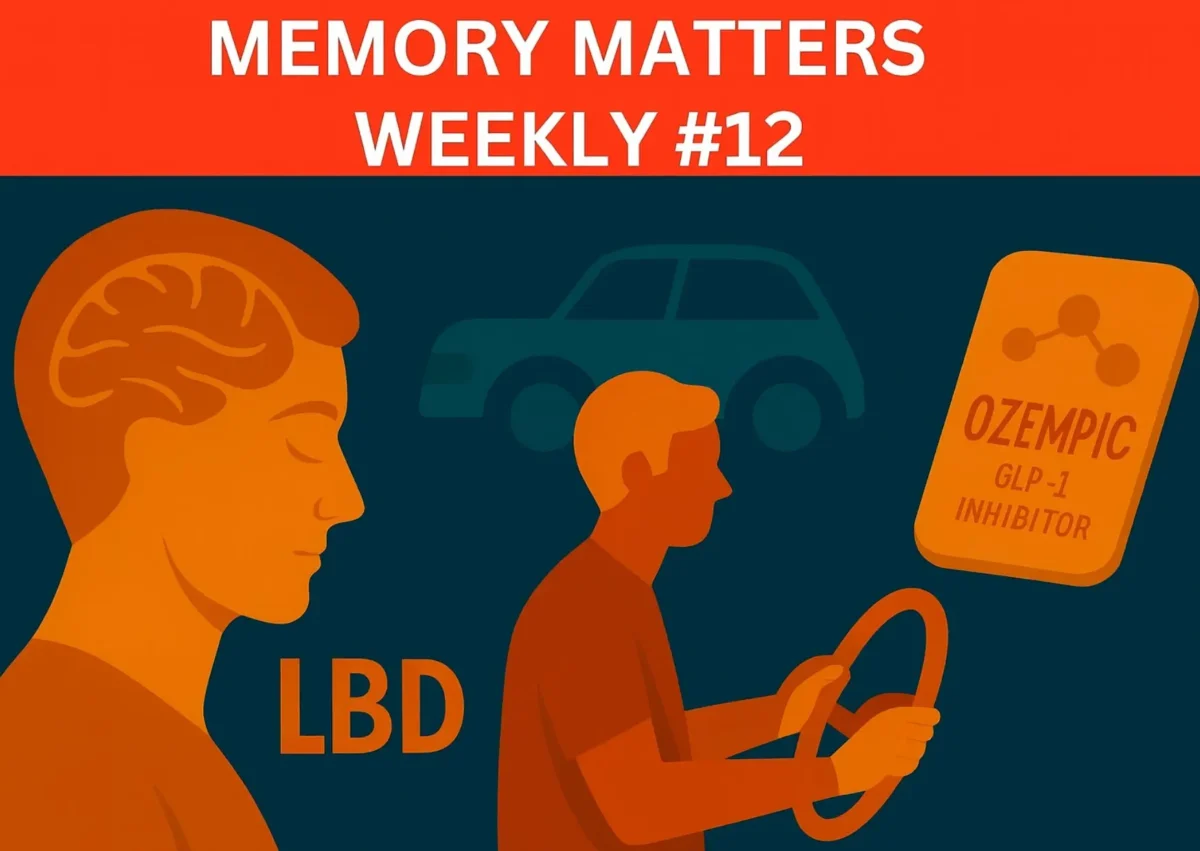
Memory Matters Weekly #12
Published Monday, 1 December -Issue #12 3 Quick Bites: Last Week in Dementia News Driving…
Memory Matters Weekly #11
Published Monday, 24 November -Issue #11 3 Quick Bites: Last Week in Dementia News Chris…
Memory Matters Weekly #10
Published Monday, 17 November -Issue #10 3 Quick Bites: Last Week in Dementia News Cognitive…
Memory Matters Weekly #9
Published Monday, 10 November -Issue #9 3 Quick Bites: Last Week in Dementia News 5,000…

Memory Matters Weekly #8
Published Monday, 3 November -Issue #8 3 Quick Bites: Last Week in Dementia News What…
Memory Matters Weekly #7
Published Monday, 27 October 2025 -Issue #7 3 Quick Bites: Last Week in Dementia News…
Memory Matters Weekly #6
Published Monday, 20 October 2025 -Issue #6 3 Quick Bites: Last Week in Dementia News…
Memory Matters Weekly #5
Published Monday, 13 October 2025 -Issue #5 3 Quick Bites: Last Week in Dementia News…

Memory Matters Weekly #4
Published Monday, 06 October 2025 -Issue #4 As caregivers and advocates for the elderly, staying…
Memory Matters Weekly #3
Published Monday, 29 September 2025 -Issue #3 Dementia News & research moves fast. But caregivers…
Memory Matters Weekly #2
Published Monday, 22 September 2025 -Issue #2 Each week I share three dementia news stories…
Memory Matters Weekly #1
Published Monday, 15 September 2025 – Issue #1 Research into dementia and Alzheimer’s disease moves…