
Published Monday, 17 November -Issue #10
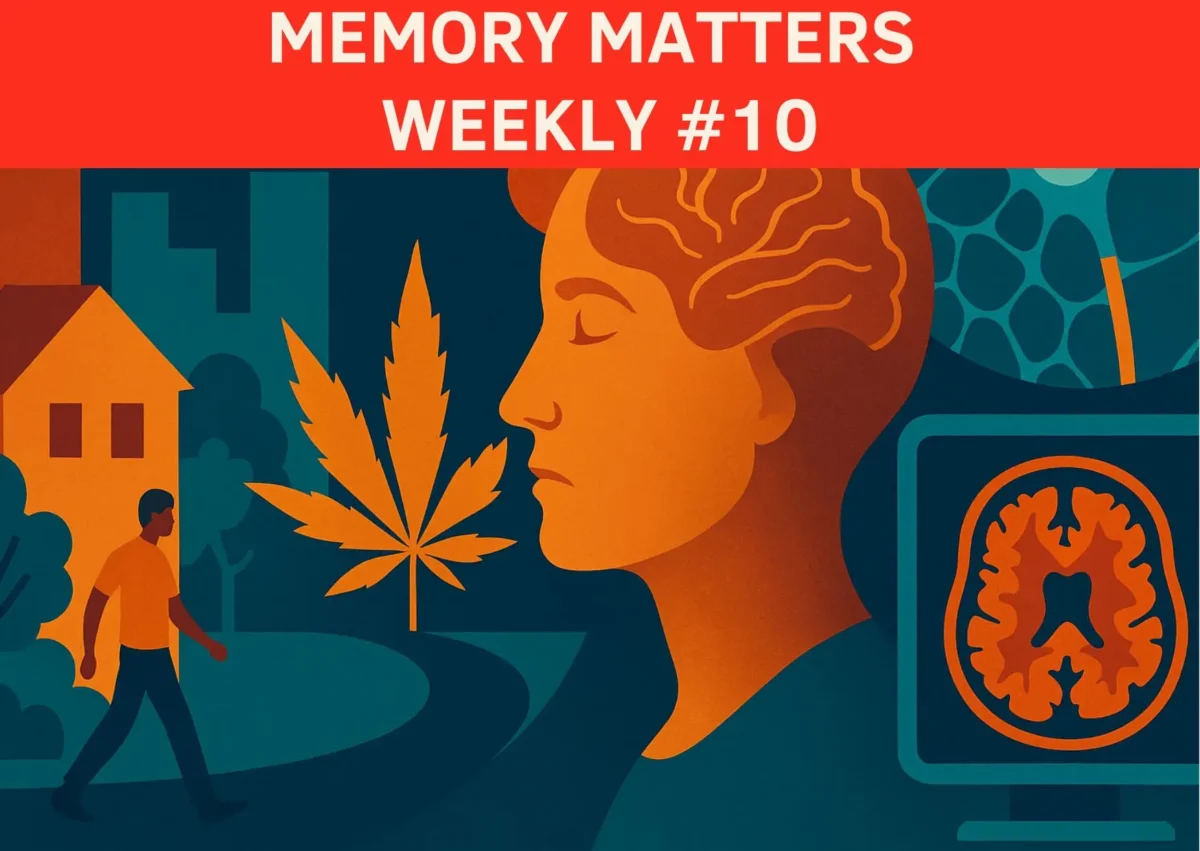
3 Quick Bites: Last Week in Dementia News
Cognitive Improvements Witnessed with THC–CBD Cannabis Extracts in Dementia Patients
Source: Cannabis Science & Technology • 10 November 2025 • Read it here
Story
A placebo-controlled trial involving 28 adults with Alzheimer’s-related dementia found that those given a low-dose THC–CBD cannabis extract daily for 26 weeks showed measurable improvement in cognitive scores, while the placebo group experienced the expected decline. No increase in adverse events was reported between groups.
Why it matters
The contrast between the two groups makes this early result more meaningful. It doesn’t prove cannabinoids slow dementia, but it signals something worth testing in larger, longer trials. It’s also significant that the cognitive gains weren’t tied to indirect factors like better sleep, as noted by experts in the article, meaning the cannabis itself might be the key player.
My take
I’m cautious with early trials particularly for such a small number of participants, but the idea that a low-dose THC-CBD extract could help improve cognitive loss without side effects sounds promising. But I’m not getting ahead of myself; the researchers and experts in the article are clear that we need bigger studies. If future research repeats these findings, families may eventually have another option to discuss with clinicians. For now, it shows researchers are willing to explore new routes rather than relying on the same limited tools.
Note: THC–CBD is a balanced cannabis extract containing THC (affects mood and perception) and CBD (known for calming and anti-inflammatory effects).
Mayo Clinic Tool Estimates Alzheimer’s Risk Years Before Symptoms
Source: Mayo Clinic News Network • 14 November 2025 • Read it here
Story
Mayo Clinic researchers have developed a prediction model that estimates a person’s 10-year and lifetime risk of developing mild cognitive impairment or dementia, even before symptoms appear. Using data from 5,858 participants, the model combines age, sex, APOE ε4 status and amyloid levels from PET scans to estimate risk.
Why it matters
This moves dementia care closer to proactive rather than reactive. Instead of waiting for memory changes, the tool can flag who may be at higher risk years earlier, similar to how cholesterol is used to estimate heart disease risk. But there are limits: the study mainly included older white adults from one region, PET scans are costly and not widely available, and lifestyle factors aren’t yet part of the model.
My take
A clearer sense of risk of developing dementia could give families more time to plan, make decisions and prepare support before a crisis. But for it to work in real life, people would need good counselling, clear next steps and affordable follow-up. For now, this is a research tool, not something used in routine care.
Poor, Minorities Have More Risk Factors for Alzheimer’s, Study Shows
Source: UPI • 12 November 2025 • Read it here
Story
A new analysis of U.S. population data shows that people with lower incomes and those from minority ethnic groups are more likely to carry multiple risk factors linked to Alzheimer’s disease. These include higher rates of untreated high blood pressure, diabetes, depression, reduced access to healthcare, and lower engagement in social or cognitive activities, all known contributors to dementia risk. The findings highlight long-standing health disparities that build up across a lifetime.
Why it matters
Dementia risk isn’t evenly distributed. The environments people live in, the care they can access, and the stresses they face all influence long-term brain health. For caregivers, it reflects a familiar truth: families under the most pressure often have the least support. Poverty and background can increase dementia risk. It’s a call to advocate for better healthcare access and community support.
My take
This study reveals a troubling link between systemic inequality and brain health. While lifestyle tweaks help, real change needs societal action on poverty and access to resources. It’s a reminder that dementia prevention must address life’s broader conditions, not just symptoms. Future efforts should target these disparities directly to protect the most vulnerable. The study doesn’t solve the inequity, but it makes it visible, and that visibility matters. Better outcomes depend on support reaching the communities most affected.
Thank you for reading
Memory Matters Weekly aims to help caregivers, and families stay informed without the jargon. If you found this useful, feel free to share it.
See you next Monday.