
A new report from Dementia UK says that people with dementia are not getting the end of life care they need, and their families are being left to figure it out largely alone.
The report is called A Better Death: Fixing Palliative and End of Life Care for Dementia. The headline findings are stark.
Nearly half of families said nobody told them what to expect as their loved one approached the end of their life. Over 70% felt they didn’t receive enough support. And despite most people wanting to die at home, over a quarter of people with dementia still die in hospital.
Dementia is a life-limiting condition, and that means palliative care should be part of it. That’s a frightening word and as soon as you hear it you imagine the end stages of life, but it doesn’t just mean that. It means care focused on comfort, dignity and quality of life for someone with a life-limiting illness. Palliative care can really help someone with dementia.
Yet only 42% of the public recognise it as a terminal illness, not right now, but sometime in the future, 13 years later in our case. And we’re not planning for that.
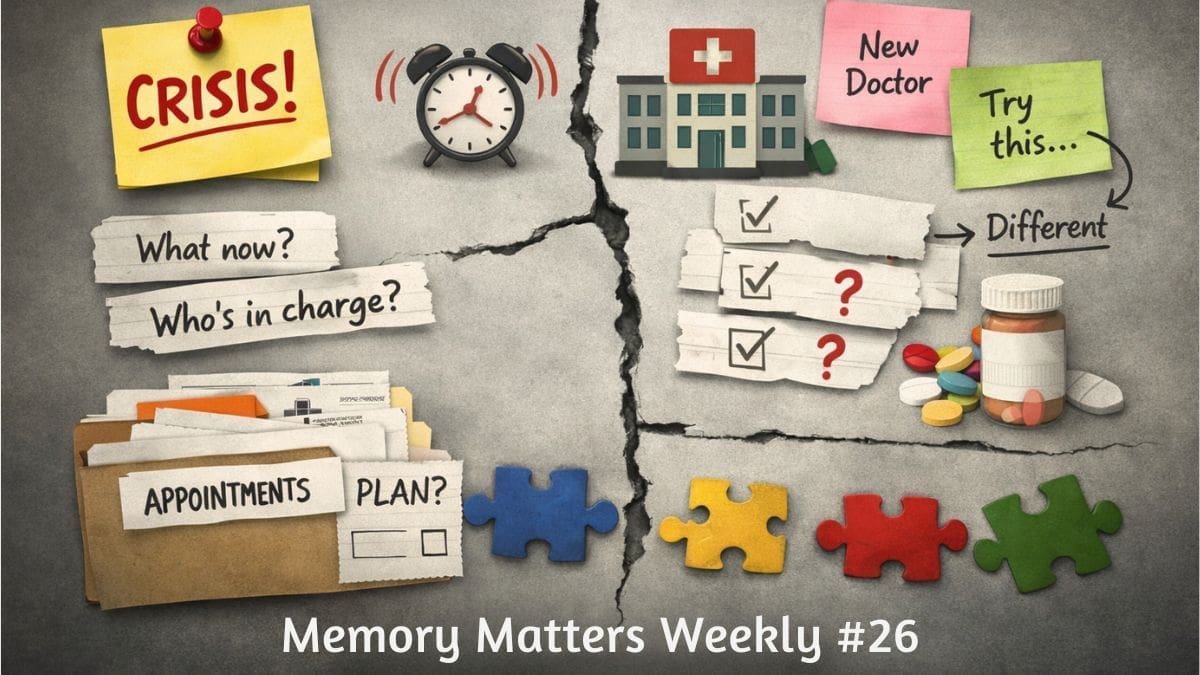
One of the reasons planning doesn’t happen is that people think it has to be one big, final conversation. It doesn’t. It’s usually a series of smaller ones whilst a crisis isn’t happening. I’m talking years in advance, when you’re loved can make an informed decision on everything they want in life now and at the end of life.
Only 14% of families in this report had one in place. The most common reason is that nobody initiated the conversation.
Continuity of care was another important factor in the report because at the moment it’s the families who are doing that. You’re the one explaining what’s changed, what’s been tried, carrying information between appointments and services because there is no single place where it is consistently held and followed.
Your loved one with dementia needs one consistent point of contact, someone who knows them, knows their history, knows what their good days look like and can recognise when something has changed.
Dementia is not one issue. It is a progression over time. Changes build up over time and they only make sense when someone has seen that progression. Without that consistent professional presence, subtle signs of deterioration can be missed. That idea isn’t new. Years ago, it would often have been your GP before appointments became scarce and triaging appointments to the “doctor for that day” became the norm.
So, the report calls for earlier planning, better training, more specialist dementia nurses, and one consistent professional involved throughout care. They are, in effect, trying to move dementia care away from a system that reacts to problems as they arise, towards one that plans ahead, coordinates care properly, and brings in specialist knowledge where it is needed.
They are clear that this improves outcomes and reduces pressure on the system.
42% of families said access to a specialist dementia nurse would have been the most useful support. Only 12% of families reported access to them at the end of life.
But those recommendations are aimed at the government and services. They describe what should exist, not what most families currently have. You can read the full report here.
What Can You Take From This?
Do not wait for someone to walk you through it.
If you are currently caring for someone with dementia, ask your GP or memory clinic for an advance care planning conversation. If planning has not been raised, it is still worth asking directly what should be in place next, not at the end, but now while things are more stable.
If they’re not helpful, then there are many resources online that can guide you through the advance care planning stages.
- I personally used this My Future Care Handbook. Not just a template, it guides you with questions & covers everything. Get it here Amazon link or via not-for-profit social enterprise My Care Matters or you can download free Dementia UK’s ‘My Advance Care Plan’ planning template here or check out the free National Institute on Aging (NIA) conversation guide book which also includes templates to get you started
Find out if there are dementia specialist nurses, Admiral Nurse in your area. Dementia UK has a helpline, 0800 888 6678, or get details from their website on how they can support you here.
Admiral Nurses are not just for the end of life stage. They support families throughout the dementia journey and their involvement consistently makes things better.
If you are at the beginning of a dementia caregiving journey, start the planning conversations now. Not when things get harder. Now. It is the most protective thing you can do for the person you’re caring for and for yourself.
In Other Dementia News Last Week
UTIs, Infections and Dementia Risk
An article this week looked at whether repeated infections over time could be linked to a higher risk of dementia. UTIs are often highlighted because they can cause sudden confusion, but the research is looking more broadly at how ongoing infections and inflammation may affect the brain over time.
If you’ve seen how quickly someone can change during a UTI, that link will feel familiar. The more immediate takeaway is to treat sudden confusion as a possible infection first, rather than assuming it’s just progression. Read more here
One of the Largest Brain Training Trials Gets Underway
A large clinical trial in the US has received $2.8 million to test whether structured brain training can reduce dementia risk over time. Earlier studies suggest targeted exercises may help maintain cognitive function, but this trial will look at whether that translates into real-world impact.
It’s still early, but it shows growing focus on delaying decline, not just managing it. Read more here
This post may contain affiliate links. If you buy through them, I may earn a small commission at no extra cost to you. See our Privacy Policy for details.
Thanks for reading.