
Finally the sun is out and you just want to be outside, the days are longer, lighter and even the air smells different. If you are caring for someone with dementia, going outside more often can be such a relief after winter, that might have meant being cooped up more than normal.
Here are some simple spring outdoor activities for dementia that work well, nothing complicated, things that can help without lots of planning or added worry of things going wrong.
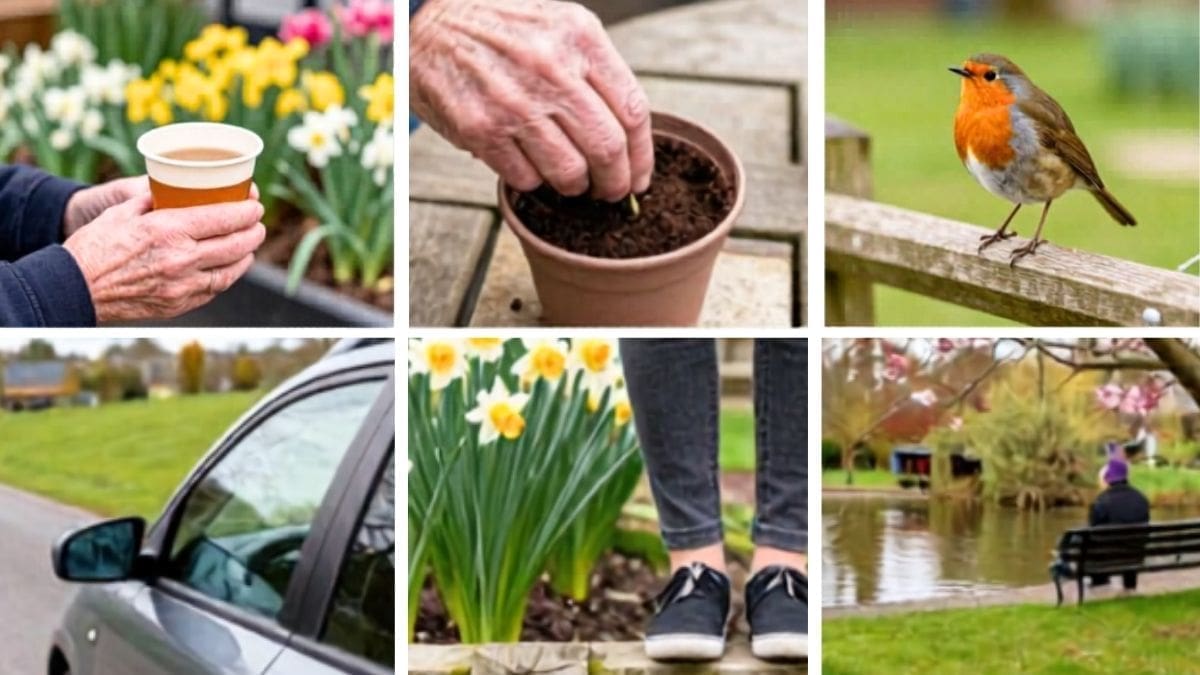
Why Getting Outside Matters More Than You Might Think
Natural light does something that indoor light simply cannot. It regulates the body clock, which is often disrupted in dementia and causes the sleep disturbances and late-afternoon agitation that caregivers know too well. Even twenty minutes of daylight in the morning can make a measurable difference to how settled someone is by evening.
Being outside also changes the mood, there are things to look at that are not the same four walls. Birds, clouds, the colour of spring blossom against a blue sky. You don’t need a big outing, you just need to get outside.
1. A Walk on a Familiar Route
Familiar is the key word here. A walk down a road they have walked a hundred times, through a park they know, around a block that has not changed much: this is far better than somewhere new and interesting. New and interesting might become overwhelming or cause concern as to where you’re going, whilst a familiar route can be more grounding.
Walk slowly. There is no destination. Stop to point things out, look at something, if they want to turn back early, turn back. The point is not to cover ground. The point is to be outside together.
A loop route is always easier than an out-and-back, because there is no moment where you are at the furthest point from home and have to turn around. If that is not possible, drive to a starting point that means the walk home feels natural rather than like a retreat. I used to wheel my mum in her wheelchair around the block or take her out in the car to the nearest park and do the walking routes there.
2. Sitting Out in the Garden or a Quiet Green Space
Going outside does not have to mean walking. Sitting outside is its own thing entirely.
A comfortable chair in the garden, a bench in a quiet park, a spot by the water somewhere familiar: these are places where twenty minutes can feel like a real break from the indoors. Bring a hot drink. Watch the birds,notice things together. That bee on the lavender. The way the light is hitting the fence. The sound of children somewhere in the distance.
In spring especially, there is a lot to notice. New growth on plants. Blossom. The particular green of early leaves that does not last long. These things connect people to the season in a way that no amount of indoor activity can replicate.
If going further is not possible on a particular day, sitting just outside the back door with a cup of tea still counts.
3. Bird Watching
This one works beautifully and I think it is underused in dementia care.
Spring is exactly the right time for it because the birds are busy, singing, building nests, and easy to spot. You do not need binoculars or a bird book, though both are a lovely addition. You just need to sit somewhere birds visit and pay attention.
A garden bird feeder brought close to a window or a garden seat means the birds come to you. A Robin sitting on a fence post two feet away is a small moment of real delight. Sparrows squabbling over seed. A blackbird singing from a rooftop. These are not complicated pleasures, but they are genuine ones, and they work across a very wide range of dementia stages.
If your person has always liked nature or the outdoors, this one is perfect, and you can always buy bird watching books and start making notes of what you see.
4. A Visit to a Garden Centre
Garden centres are quietly brilliant for dementia outings. They are calm, unhurried, colourful, and full of things to look at, touch, and smell. Nobody minds if you are slow. Nobody is rushing. The staff are usually patient. And in spring, they are absolutely full of colour.
You do not have to buy anything. Walk through the plants, smell the herbs, look at the hanging baskets. Stop for a cup of tea in the cafe. That is a full morning out and it’s nice to be around other people and the smells from a garden centre are lovely (as long as you’re away from the compost/manure!)
If you do want to bring something home, a small pot of herbs for the windowsill, a single flowering plant for the garden, vegetable seedlings that are ready to plant out are a good choice to continue with at home.
5. A Drive with a Short Stop
Some days a walk is too much, but staying indoors feels wrong too. A drive with the windows cracked open, past familiar landmarks, through countryside or along the coast if that is nearby, is a genuinely good option that I think caregivers sometimes dismiss as not being a proper activity.
It is. Movement, changing scenery, the sensation of being in the car, these things are stimulating and pleasant without being demanding. Pull over somewhere pretty for ten minutes. Get out if it feels right. Stop at an ice cream van. You can also add to your ride by bringing their favourite music for the drive. Something from their era to enjoy
6. Watching or Joining in with Something Happening Outside
A local market. Children playing in a park. Ducks on a pond. A church clock striking. These small public scenes give something to watch and respond to without requiring any participation.
People with dementia often light up around children, animals, and activity. Not loud or chaotic activity, but the gentle bustle of an ordinary public space on a mild spring morning. A market stall with something to smell or handle. A dog that comes over to say hello. A toddler doing something funny.
My mum used to shop every Saturday at a local fruit and veg market, and haggled like hell with the suppliers. That was a good venue for a good hour outside, until the rough terrain made it much harder in her wheelchair, but you can find Sunday markets now in most towns to explore.
7. Something to Do With Your Hands Outside
If your person is someone who needs a task rather than just a wander, bring something to do outside with you.
Watering pots on the patio. Deadheading a flower bed. Sweeping a path. Filling a bird feeder. These are purposeful outdoor activities that feel like contributing to the home rather than being managed by it.
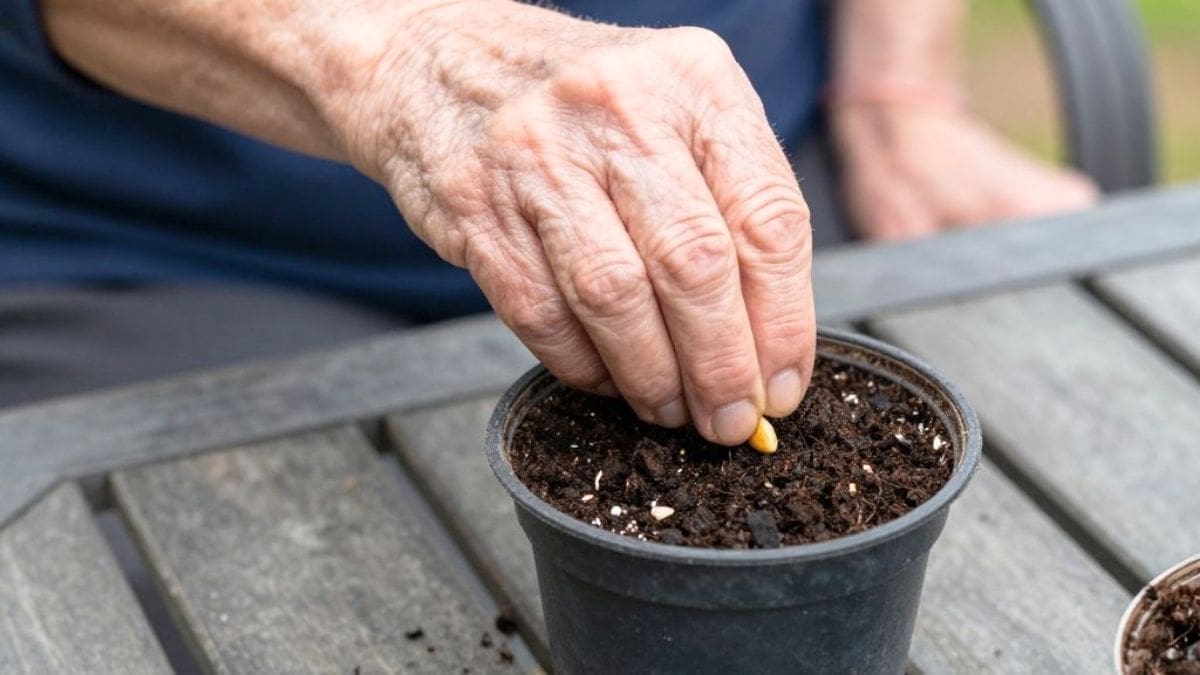
In spring especially, there are small garden jobs that are genuinely appropriate regardless of skill level. Pressing seeds into compost in a tray. Raking a patch of grass. Picking daffodils to bring inside. All simple and easy things to do together.
Making It Work on Difficult Days
Not every day is a good day for being outside. Sundowning, anxiety, or just a harder day cognitively can make going out feel impossible. Don’t push it. A forced outing that goes badly is harder to recover from than a day that stays indoors.
On moderate days, the goal is to lower the bar as much as possible. Five minutes outside is five minutes outside. Sitting just beyond the back door. Standing on the front step to watch the street for a few minutes. Opening the window wide and sitting beside it. These are not second-best options. They are versions of the same thing, adapted for what works today for your loved one with dementia.
What does not work is waiting for a perfect day. Spring gives us more good days than winter, but it is still unpredictable. Make the most of the ones that work and let the others go without guilt.
Just remember to pack a raincoat, you never know with our weather!

Read more here → About Khadra Awomer’s dementia caregiver journey