You might not remember who gave you that scented candle last year. But you remember your loved one’s face when they saw an old photo, or the song that made them hum along again. Those are the moments that stay. They are the reason memory gifts for dementia & caregivers can make such a difference, because they focus on connection rather than clutter.
When dementia enters your life, memory can feel fragile, but emotions remain. The right memory gift can bridge the space between what is forgotten and what is still felt. For caregivers, it is a way to connect, to remind your loved one of who they are, and to remind yourself that care is still about love.
Memory gifts do not need to be expensive or complicated. They need time, attention, and understanding. Each one quietly says, “I’ll remember this with you.”
This post may contain affiliate links. If you buy through them, I may earn a small commission at no extra cost to you. See our Privacy Policy for details.
Create a “Memory Day” Together
Not all memory gifts fit in boxes. Some are made from time, attention and gentle routine. Planning a simple “memory day” can be just as meaningful as anything you wrap.
Revisiting Familiar Places
Revisiting familiar places can bring comfort and be fun. A walk through a park with a beautiful flower display, a visit to the seaside or a coffee in a well known café that you love may ease anxiety for that moment. The feeling of being somewhere that once felt good often remains. If getting out is difficult, you can bring the feeling home instead.
Shared Rituals
Recreating shared rituals is another quiet gift. If Sunday dinners or morning teas used to be landmarks in your week, bring them back in a simplified way. The smell of a favourite meal, the sound of a spoon stirring a mug or the sight of a familiar tablecloth can do more for recognition than a long conversation ever could.
When outings are not possible, turn the living room into a small adventure. Lay out a blanket, put on music from a favourite holiday and serve a few themed snacks.
Try a Firsts Day
Choose two or three small things you’ve never done together, a pottery class, a local food market, or a short day trip. Keep it light-hearted and take photos along the way.
DIY Tasting Tour at Home
Pick a city you love and turn your kitchen into a mini food tour. Small bites, simple decorations, and music from that country make it memorable.
Afterwards, print a small card with the date and a note about what you did that day. Prop it on a shelf or pin it to a noticeboard. Over time, these small reminders become a visible timeline of the care and connection you have shared.
Family Projects That Grow with Time
Involving the wider family in memory gifts helps share the emotional and practical weight of care. It also gives everyone a role in keeping connection alive.
Ask grandchildren to draw pictures of happy days or to write short notes about what they love most about their grandparent. These can go into albums, onto the wall or into the family letters box. Older relatives might contribute written memories or photos from their own childhood, which you can read aloud.
Family Letterbox
A family letters box can also work well. Decorate a box where relatives and friends drop in notes, drawings or printed photos when they visit. I always got family to take photos together with mum as a keepsake for them and for her. They’d print them out and add to the letterbox or send in the post.
Music & Stories
Music or story subscriptions do not need to be formal services. Your family could agree that once a month, someone records a playlist of their loved ones favourite songs with a foreword and sends as an audio message. Listening together becomes a ritual you can repeat even especially when you need to lift the mood.
Monthly Postcards
Monthly photo postcards are a simple idea. Print one photo each month with a short note from a family member. Even if you live in the same house, the act of receiving and opening mail that you’re not expecting can feel special. The postcard can go on the fridge or noticeboard as visual reminders as well
At the end of each month, open it together. It is a gentle way to involve others in your loved one’s world. And you can create a “memory calendar” with printed photos or mementos for each month.
These projects remind your loved one that they are still part of a wider circle. They remind you that you are supported, even if you are the one doing most of the day to day care.
Turning Moments into Keepsakes
You know as caregivers, we collect moments, not in a tidy scrapbook, but in the middle of everyday life. Quiet afternoons, shared laughs, small victories and familiar routines can all become comforting anchors, treasured memories that you can turn into keepsakes.
Photobook
One option is a photo book that tells a simple story. Choose large, clear pictures and keep the calm simple. Add photo’s with short captions with names, relationships and a little context such as “Mum’s 70th, her favourite trifle.”
The combination of familiar faces and plain language can help your loved one feel more grounded, and it gives you a way to sit together and talk without pressure of trying to remember.
Memory Box
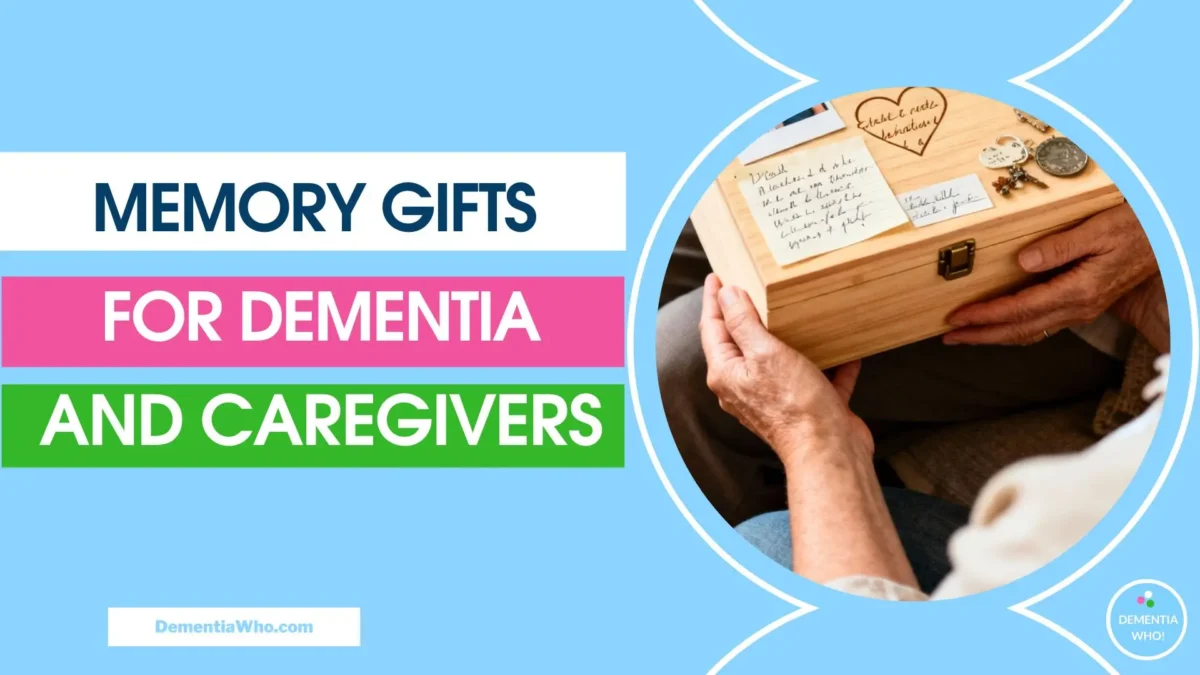
A memory box can be just as powerful. Fill a small box with familiar objects, such as a favourite scarf, a postcard from a trip, or a trinket that once lived on the bedside table.
These tangible reminders can soothe restless hands and spark gentle conversations. Try to include items with sensory appeal, such as soft textures, faint scents or gentle sounds. If you want more ideas, you might find inspiration in 11 Heartwarming Memory Shadow Box Themes To Create.
Voice Notes
Recorded memories can support you as well. Ask relatives to record short voice notes telling a family story, a greeting or a favourite joke. Play them during visits or in the evening. Familiar voices often calm and comfort, even when words are harder to follow.
For you as the caregiver, they can be a quiet reminder that you are not doing this alone and can help lighten the load of having to be the one coming up with ideas all the time, share the responsibility. This is something that family members can do with ease.
Gifts That Invite Conversation
As dementia progresses, conversation can change, but it does not disappear. Memory gifts that invite simple, open conversation help keep that channel alive.
Conversation Cards
Conversation cards with easy prompts can be useful. Choose sets that ask about ordinary experiences rather than complicated facts, such as “Tell me about a holiday,” “What was your favourite meal?” or “Who made you laugh when you were young?” Let answers wander. The point is not accuracy, but connection and the feeling of being listened to.
A Shared Journal
A shared journal can also be a great gift. Choose a notebook and write short daily reflections in it together. You might record the weather, a meal you enjoyed, a visitor who dropped in or a programme you watched.
Even if your loved one cannot write much, they can help choose stickers, colours or photos to add.
Over time, this journal becomes a record of your care journey that you can look back on when you need to remember that there were good moments among the hard ones.
Recipe Stories
Food based memories can be powerful too. Cooking an old family recipe or creating a new simple favourite brings memories to life through smell and taste. Revive a family recipe or invent a new one and note it down. Ask relatives or friends for their favourite recipes, keep the handwritten notes in your memory book. Try cooking one together each month.
Bringing Legacy into the Present
Memory gifts also hold family stories and honour the lives that came before. They can comfort the person living with dementia now, and they can comfort you later if you are grieving.
Digitise Old Family Videos or Cassettes
Digitised archives are one way to do this. Old VHS tapes, cassette recordings or photo slides can be converted to digital files and organised by year or event. Watching short clips together, when it feels right, can reintroduce old laughs and familiar faces.
When your loved one is no longer here, those same files can support you through grief, remembering a full life that was lived and loved.
Heirloom remakes
Heirloom transformations add another layer. A favourite shirt can become a cushion for a favourite chair. A tie can be turned into a bookmark that you keep inside a journal. A brooch can be remade into a simple pendant.
These small, practical items carry history forward without leaving you surrounded by objects you do not know what to do with.
Heritage meals
Heritage dinners complete the circle. Cook traditional recipes and include a small printed story about their origin. It’s a gentle way to celebrate roots and family love.
Always check in first, for some, revisiting the past can be tender. Ask if it feels right before diving in.
The smell of a familiar spice or the sight of a dish that was always served on special occasions can soothe both your loved one and you as the caregiver.
Sensory Gifts for Calm and Comfort
For people living with dementia, sensory gifts can make an immediate difference. They do not rely on memory. They work through touch, sound, light and scent, and they support both the person living with dementia and the caregiver beside them.
Soft lighting, warm textures and gentle scents all help to build a sense of safety. A weighted blanket may ease anxiety and support better sleep. A textured cushion or fidget cushion designed for dementia can give restless hands something to explore. A simple essential oil diffuser with a light, familiar fragrance can soften the atmosphere of a room.
Music remains one of the strongest links to memory. A playlist of favourite songs from different decades can lift the mood of both caregiver and loved one. You might group songs by theme, such as “Sunday morning calm” or “Kitchen dancing,” and use them at the same time each day. Over time, these playlists become audio cues that signal comfort and routine.
Sensory gifts do not solve everything, but they can turn tense moments into bearable ones and help both of you feel a little more at home in the day.
Digital Memory Tools That Support Care
Technology can feel overwhelming, but it does not have to be. A few simple digital tools can support memory and reduce the mental load for caregivers.
A basic digital photo frame for seniors that relatives can update remotely lets family members add new pictures without asking you to manage them all. It becomes a living display that changes slowly over time, offering gentle visual stimulation without cluttering the room.
A small smart speaker can play favourite music, set simple reminders or answer basic questions such as the date or time. If your loved one enjoys conversation, try voice-activated features like “Tell me today’s date” or “Play my playlist.”
Used carefully, these tools extend the warmth of memory gifts into daily routines, rather than replacing human contact.
Small Tokens with Big Meaning
You do not need grand gestures for memory gifts to work. Often, the smallest items carry the most warmth and are used the most.
It might be a mug with a familiar phrase that always made your loved one smile. It might be a keyring with the coordinates of a cherished place. It might be a framed print of a comforting line from a song they love. These small tokens become daily reminders that love is still present, even when language and memory shift.
Wrapping Memory Gifts with Care
When you give or receive memory gifts, simple presentation works best. Busy patterns and complicated wrapping can be confusing. Soft textures, calm colours and familiar scents feel more reassuring. You could add a spritz of a favourite perfume to tissue paper, or use a piece of fabric that your loved one already knows.
Include a short card explaining the story behind the gift, such as “This was the scarf you wore at the wedding. You said it made you feel like sunshine.” Those small sentences anchor the object in a shared story and help you both remember why it matters.
And Lastly
Memory gifts do not chase the past. They meet the present with tenderness and attention. For people living with dementia, they help moments of recognition feel safe and joyful. For caregivers, they become proof that connection still exists, even when words slip away.
They do not fill space. They fill time with meaning. In a life shaped by dementia, that is a gift for both of you.
Thoughtful Gifts Elderly Parents Appreciate Most!
Fidget Toys for Dementia: Calming Ideas That Truly Help
Amazon Gift Ideas for Dementia Activities
Soothing Sensory Gift Ideas for Dementia
Sensory and Fidget Gifts for Dementia – Calming, Comforting Ideas
Thoughtful Gift Ideas for Bedridden Loved Ones
Christmas Gift Ideas for Loved Ones with Dementia (by Stage)
28 Unique and Fun Christmas Gift Ideas for Dementia
Christmas Stocking Filler Ideas for Dementia
Simple Technology Gifts for Dementia That Bring Comfort
Easy DIY Christmas Gifts That Look Expensive (But Aren’t).
8 Gift Basket Ideas for Loved Ones with Dementia
57 Gift Ideas for Dementia Caregivers
9 Sustainable Dementia Gift Ideas